Bookbrite Study Abroad Advisers

Study in Germany

Germany is a popular study destination for international students, renowned for its high-quality education system and diverse range of programs. With numerous universities consistently ranking among the top in the world, students benefit from innovative research opportunities and a strong emphasis on practical experience. Additionally, Germany offers a vibrant cultural experience, rich history, and a robust economy, making it an attractive place for students to live and study. With many programs available in English and no tuition fees at public universities, Germany is an excellent choice for those looking to broaden their horizons.

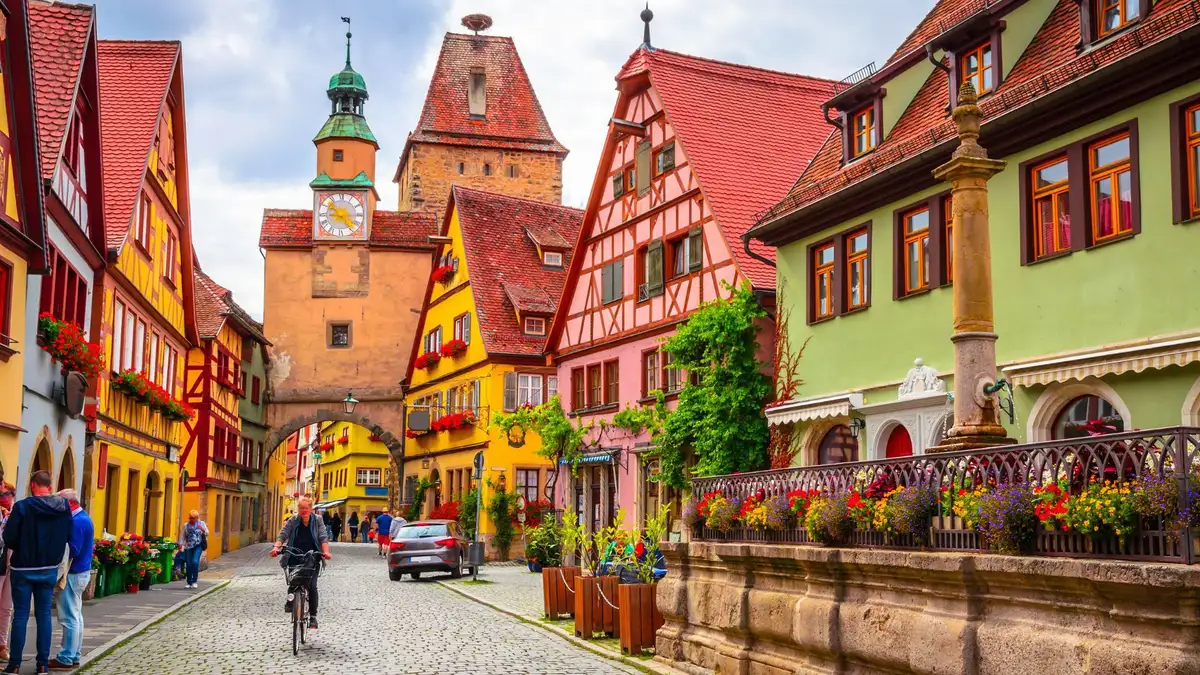
Germany — photo 1
Germany — photo 2
Germany — photo 3
Germany — photo 4
Germany
1 / 4
Popular courses

In-demand programs

We help students secure offers across the most popular fields in Germany.

  • Engineering
  • Business Administration
  • Computer Science
  • Mechanical Engineering
  • International Relations
  • Environmental Science
  • Medicine
  • Graphic Design
  • Data Science
  • Hospitality Management
Cost of living

Monthly snapshot

Realistic budget estimates per category.

  • **Country GuideGermany** **Cost of Living Overview for International Students:** - Accommodation: €300–800/mo - Food & groceries: €200–400/mo - Transport: €70–120/mo - Utilities/Internet: €150–250/mo - Health insurance: €80–120/mo - Annual estimate: ≈ €10,800/yr Germany is a popular study destination for international students, offering a high standard of education and a diverse cultural experience. Explore your options and begin your journey by consulting with Bookbrite Study Abroad Advisers today!
Visa essentials

Understanding the Germany student visa process

Study in Germany: A Comprehensive Guide for International Students

Germany is renowned for its high-quality education system, diverse cultural experiences, and strong economy. With numerous universities offering programs in English, it has become an attractive destination for international students seeking quality education and personal growth.

Why Choose Germany?

Studying in Germany offers several advantages:

  • World-Class Education: Germany is home to many top-ranked universities and research institutions.
  • Tuition Fees: Most public universities charge low or no tuition fees, even for international students.
  • Rich Cultural Experience: Experience a vibrant mix of history, art, and modern living.
  • Work Opportunities: International students can work up to 120 full days or 240 half days per year.

Cost of Living

The average cost of living in Germany for international students is approximately €850 to €1,200 per month, depending on the city. Major expenses include:

  • Accommodation: €300 to €800
  • Food: €200 to €400
  • Health Insurance: €80 to €160
  • Transportation: €70 to €100

Visa and Admission Requirements

To study in Germany, international students typically need to obtain a student visa. Requirements may include:

  • A valid passport
  • Proof of financial resources (around €10,332 annually)
  • University admission letter
  • Health insurance documentation

Conclusion

Germany is an excellent choice for international students seeking high-quality education and a rich cultural experience. With its affordable living costs and welcoming atmosphere, pursuing your studies in Germany could be a life-changing decision. For more information on applying to universities in Germany and navigating the visa process, contact Bookbrite Study Abroad Advisers today!

Why study in Germany

Why Study in Germany

  • High-Quality Education: Germany is known for its world-class educational institutions, many of which consistently rank among the top universities globally. Students can benefit from a strong emphasis on research, innovation, and practical learning across various fields.
  • No Tuition Fees at Public Universities: Many public universities in Germany offer tuition-free education for international students, allowing you to focus on your studies without the burden of significant financial costs. Students may only need to pay a nominal semester fee, which typically ranges from €250 to €350.
  • Diverse Study Programs: With a wide range of programs available in English and German, students can choose from numerous courses that suit their interests and career goals. This diversity allows for a personalized and enriching academic experience.
  • Strong Economy and Job Opportunities: Germany has a robust economy and is home to many leading global companies. International students benefit from opportunities for internships and part-time jobs, which can enhance their employability after graduation.
  • Rich Cultural Experience: Studying in Germany offers a unique chance to immerse yourself in its rich history, vibrant culture, and diverse traditions. Students can explore picturesque cities, attend festivals, and enjoy various cultural events throughout the year.
  • Post-Study Work Opportunities: After completing their studies, international graduates can apply for an 18-month residence permit to seek employment in Germany. This allows students to gain valuable work experience in one of Europe’s strongest job markets.

Top universities to study in Germany

Top Universities to Study in Germany

Technische Universität München (TUM)

  • Ranked among the top universities in Europe, TUM is renowned for its engineering and technology programs. It offers a wide range of courses in English and has a strong focus on research and innovation.

Ruprecht-Karls-Universität Heidelberg

  • As Germany's oldest university, Heidelberg is famous for its humanities and social sciences programs. The university boasts a vibrant international community and extensive support for international students.

RWTH Aachen University

  • RWTH Aachen is a leading technical university in Germany, particularly recognized for its engineering and natural sciences programs. Its close ties with industry provide students with valuable networking opportunities.

Freie Universität Berlin

  • Known for its research-oriented approach, Freie Universität offers a diverse range of programs, especially in the social sciences and humanities. The university has a strong international presence and offers many courses in English.

Universität Mannheim

  • Mannheim is particularly well-regarded for its business and economics programs. The university emphasizes practical experience and has partnerships with leading companies, enhancing employability for graduates.

Intakes in Germany

Intakes

Germany offers a structured academic calendar with two major intakes each year: the Winter Semester and the Summer Semester. Understanding these intake periods is crucial for international students planning their studies in Germany.

Winter Semester

The Winter Semester typically begins in October and runs until March. This is the primary intake for most universities, especially for courses in engineering, natural sciences, and humanities.

  • Application Period: Applications for the Winter Semester usually open in May and close in July. It's advisable to submit your application as early as possible to ensure you meet all requirements.
  • Preparation Timeline: Start preparing your application documents at least 6 months in advance. This includes gathering academic transcripts, proof of language proficiency (such as TestDaF or DSH for German-taught programs), and letters of recommendation.

Summer Semester

The Summer Semester runs from April to September. While fewer programs are available compared to the Winter Semester, it is an excellent opportunity for students seeking specific courses or those who missed the Winter intake.

  • Application Period: The application window for the Summer Semester typically opens in December and closes in mid-January.
  • Preparation Timeline: Similar to the Winter Semester, begin your preparations at least 6 months prior. Ensure your documents are ready, and check if your desired program requires any additional prerequisites.

In addition to these major intakes, universities may have specific deadlines and requirements based on individual programs. It is crucial to check the official websites of the universities you are interested in for the most accurate and updated information.

To ensure a smooth application process, consider consulting with education and migration experts to help you navigate the requirements and timelines effectively.

Cost of studying in Germany

Cost of Studying in Germany

Germany is known for its high-quality education and is one of the most affordable study destinations in Europe. The tuition fees vary depending on the level of study and the type of institution. Below is a breakdown of the typical costs associated with studying in Germany:

Tuition Fees

  • Undergraduate Programs: Tuition fees for undergraduate programs at public universities are generally low, often ranging from €150 to €3,000 per year, depending on the state and university. Private universities may charge higher fees, ranging from €5,000 to €20,000 annually.
  • Postgraduate Programs: For master's programs, tuition fees at public universities typically range from €1,000 to €20,000 per year. Private universities may charge between €8,000 and €30,000 annually.
  • Doctoral Programs: PhD programs often have no tuition fees at public universities, although some administrative fees might apply, usually around €100 to €500 per semester.

Additional Costs

In addition to tuition fees, students should budget for living expenses, which can range from €800 to €1,200 per month. This includes accommodation, food, transportation, health insurance, and leisure activities.

Fee Planning Tips

  • Consider public universities to keep tuition costs low.
  • Look for scholarships specifically for international students.
  • Plan your budget carefully to account for both tuition and living expenses.
  • Research universities that offer programs in English, as this can broaden your options.

For more personalized advice and assistance with your study plans in Germany, contact Bookbrite Study Abroad Advisers today!

Scholarships to study in Germany

Scholarships

Germany offers an array of scholarship opportunities for international students to help alleviate the financial burden of studying abroad. These scholarships are available through various institutions, government programs, and private organizations. Here are some prominent options:

  • DAAD Scholarships: The German Academic Exchange Service (DAAD) provides numerous scholarships for international students. Typical award amounts range from EUR 750 to EUR 1,200 per month, depending on the level of study and the program.
  • Erasmus+: This European Union program supports student exchanges and mobility. Grants for living costs may vary but generally provide around EUR 300 to EUR 500 per month for participants.
  • Heinrich Böll Foundation Scholarships: These scholarships are available for international students pursuing a Master's degree in Germany, offering up to EUR 1,200 per month.
  • Konrad-Adenauer-Stiftung Scholarships: Designed for international students with a strong interest in politics, these scholarships provide a monthly stipend of EUR 850.
  • University-specific Scholarships: Many German universities offer their own scholarships for international students, typically ranging from EUR 1,000 to EUR 5,000 based on merit and need.

To maximize your chances of receiving a scholarship, it's advisable to apply early and ensure that your application is thorough and well-prepared. For more information on specific scholarship programs, visit the respective scholarship provider's website.

Student visa requirements for Germany

Student Visa Requirements

To study in Germany, international students must secure a student visa. Here are the essential requirements:

  • Application Form: Complete the visa application form, which can be found on the German embassy or consulate website.
  • Valid Passport: Your passport should be valid for the duration of your stay, plus an additional six months.
  • Acceptance Letter: Provide an official acceptance letter from a recognized German university or educational institution.
  • Proof of Funds: Demonstrate financial stability by proving you have access to at least EUR 11,208 for one year of living expenses. This can be shown through bank statements, scholarship letters, or sponsorship documents.
  • Health Insurance: Obtain valid health insurance coverage for your stay in Germany. This must meet the minimum requirements set by the German authorities.
  • Language Proficiency: If your course is taught in German, you may need to provide proof of language proficiency through tests like TestDaF or DSH. For English-taught programs, proof of English proficiency (e.g., IELTS, TOEFL) may be required.
  • Passport Photos: Supply recent biometric passport photos that meet the specifications outlined by the embassy.
  • Visa Fee: Pay the visa application fee, which is approximately EUR 75.

Timeline: The visa processing time can take 4 to 12 weeks, so it is advisable to apply as early as possible once you receive your acceptance letter.

Compliance Notes: Ensure all documents are translated into German or English if required, and keep copies of all submitted documents for your records. Be aware of any additional requirements that may be specific to your country of origin.

Top Student Cities in Germany for International Students in 2026

Top Student Cities in 2026

  • Berlin - Known for its vibrant culture and history, Berlin offers a diverse range of universities and courses, along with a thriving student life and affordable living costs compared to other major European capitals.
  • Munich - Home to prestigious institutions like Ludwig Maximilian University, Munich combines high-quality education with a dynamic economy, making it an attractive destination for students seeking career opportunities.
  • Heidelberg - Renowned for its historic university, Heidelberg is a picturesque city that provides a unique blend of academic excellence and charming architecture, perfect for students looking for a rich educational experience.
  • Freiburg - Known for its sustainability initiatives and beautiful surroundings, Freiburg is a smaller city that offers a friendly atmosphere and strong community support for international students.
  • Cologne - With a large international student population, Cologne boasts a vibrant arts scene and numerous cultural events, making it a lively city for both study and leisure.

Jobs in Germany for International Students

Jobs for International Students

Germany is known for its robust economy and diverse job market, making it an attractive destination for international students seeking part-time employment during their studies. As a student, you are allowed to work up to 120 full days or 240 half days per year without a work permit. This flexibility can significantly enhance your experience and help you manage living costs.

Part-time jobs are widely available in various sectors, including retail, hospitality, and tutoring. The average hourly wage for part-time positions ranges from €9 to €15, depending on the industry and your experience. This means that if you work around 20 hours a week, you could earn between €720 and €1,200 per month, which can help cover your living expenses.

After graduation, international students can look forward to a competitive job market. The average starting salary for graduates in Germany varies by field, but you can generally expect to earn between €30,000 and €50,000 per year. In high-demand sectors such as engineering, IT, and healthcare, salaries can be even higher, often exceeding €60,000 annually.

Germany's strong labor market, combined with the opportunity to gain practical experience while studying, makes it a prime location for international students aiming to build a successful career.

Top 5 Highest-Paying Degrees in Germany

Top 5 Highest-Paying Degrees in Germany

  1. Engineering
  2. Typical Graduate Salary: ≈ EUR 50,000/yr
  3. Computer Science
  4. Typical Graduate Salary: ≈ EUR 48,000/yr
  5. Business Administration
  6. Typical Graduate Salary: ≈ EUR 45,000/yr
  7. Medicine
  8. Typical Graduate Salary: ≈ EUR 60,000/yr
  9. Natural Sciences
  10. Typical Graduate Salary: ≈ EUR 42,000/yr

High-Demand Job Sectors in Germany for International Graduates

High-Demand Job Sectors for International Graduates

Germany is known for its robust economy and diverse job market, making it an attractive destination for international students seeking to begin their careers. Here are some of the high-demand job sectors where international graduates can find excellent opportunities:

  • Engineering: With a strong emphasis on innovation and technology, the engineering sector is one of the most sought-after fields. Graduates in mechanical, electrical, and civil engineering can expect to earn between EUR 40,000 and EUR 60,000 annually.
  • Information Technology: The IT sector is rapidly growing, with companies seeking skilled professionals in software development, data analysis, and cybersecurity. Salaries in this field can range from EUR 45,000 to EUR 70,000 per year.
  • Healthcare: As the population ages, healthcare professionals are increasingly in demand. Roles such as nurses, medical practitioners, and healthcare administrators can expect salaries ranging from EUR 30,000 to EUR 55,000 annually.
  • Renewable Energy: Germany is a leader in renewable energy technologies. Graduates with expertise in sustainable energy solutions can find positions with salaries between EUR 35,000 and EUR 60,000 per year.
  • Finance: The finance sector remains strong, with a continual need for analysts, accountants, and financial advisors. Graduates can anticipate earnings from EUR 40,000 to EUR 65,000 annually.
  • Logistics and Supply Chain Management: As a central hub for trade in Europe, Germany has a thriving logistics sector. Graduates entering this field can expect salaries ranging from EUR 35,000 to EUR 55,000 per year.

These sectors not only offer competitive salaries but also a variety of career advancement opportunities. With the right qualifications and experience, international graduates can successfully integrate into the German workforce, contributing to the economy and enriching their professional journeys.

FAQs related to Study in Germany

html

What are the main benefits of studying in Germany?

Germany offers high-quality education, no tuition fees at public universities for international students, and a strong emphasis on research and innovation. Additionally, students can benefit from a diverse cultural experience and the opportunity to learn the German language.

What is the cost of living for international students in Germany?

The average monthly cost of living for students in Germany ranges from €700 to €1,000, depending on the city. This includes accommodation, food, transportation, and personal expenses.

Do I need to speak German to study in Germany?

While many universities offer programs in English, especially at the master's level, knowing German can enhance your experience and help in daily life. It’s advisable to learn some basic German before arriving.

What are the admission requirements for international students?

Admission requirements vary by university and program but generally include a recognized secondary school diploma, proof of language proficiency (German or English), and sometimes entrance exams or interviews.

How can I apply for a student visa for Germany?

International students need to apply for a student visa at the German embassy or consulate in their home country. Required documents typically include an admission letter, proof of financial support, health insurance, and a valid passport.

Can I work while studying in Germany?

Yes, international students are allowed to work part-time while studying in Germany. You can work up to 120 full days or 240 half days per year without needing a special work permit.

What health insurance do I need as an international student in Germany?

All international students must have health insurance coverage. You can either enroll in a public health insurance scheme or opt for private health insurance, depending on your situation and preferences.

What support services are available for international students in Germany?

Most universities in Germany offer support services for international students, including orientation programs, language courses, counseling, and assistance with finding accommodation and jobs.

Limited slots this month

Book a free counselling session with our experts

30 minutes. No obligation. Walk away with a clear roadmap of your study destination, course, and visa pathway.