Bookbrite Study Abroad Advisers

Study in Brazil

Brazil is a vibrant and diverse country, known for its rich culture, stunning landscapes, and welcoming atmosphere. As an international student, you will have the opportunity to immerse yourself in Portuguese language courses and world-class educational programs, all while experiencing the unique rhythms of Brazilian life. With affordable tuition fees and a range of scholarships available, Brazil is an attractive destination for students looking to broaden their horizons and gain a global perspective.

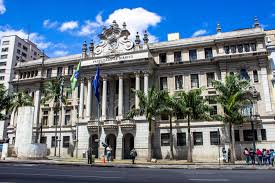
Brazil — photo 1
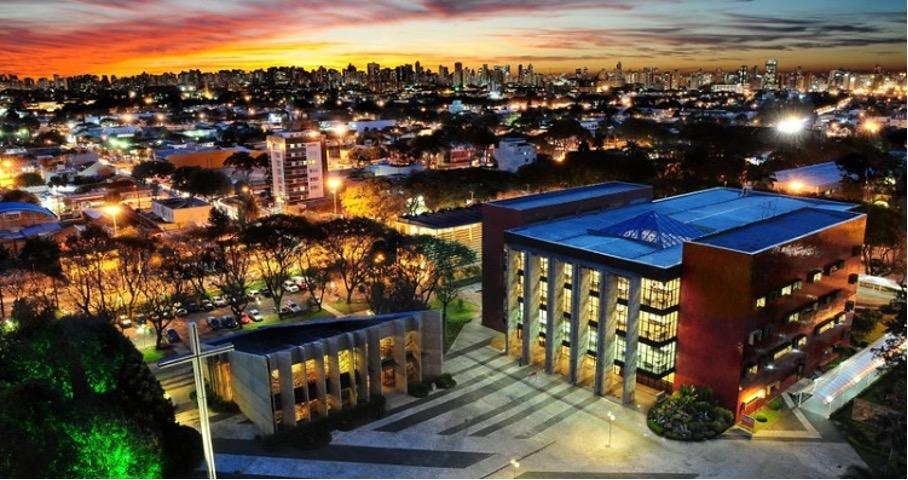
Brazil — photo 2
Brazil — photo 3
Brazil — photo 4
Brazil
1 / 4
Popular courses

In-demand programs

We help students secure offers across the most popular fields in Brazil.

  • Business Administration
  • Computer Science
  • Engineering
  • Hospitality Management
  • International Relations
  • Environmental Science
  • Medicine
  • Arts and Design
  • Law
  • Education
Cost of living

Monthly snapshot

Realistic budget estimates per category.

  • AccommodationBRL 1,200–2,500/mo
  • Food & groceriesBRL 400–800/mo
  • TransportBRL 200–400/mo
  • Utilities/InternetBRL 300–600/mo
  • Health insuranceBRL 200–400/mo
  • Annual estimate≈ BRL 30,000/yr
Visa essentials

Understanding the Brazil student visa process

Study in Brazil: An Overview

Brazil, known for its vibrant culture and stunning landscapes, offers a unique educational experience for international students. With a diverse range of programs and institutions, studying in Brazil can be an enriching journey both academically and personally. The country boasts a mix of public and private universities, many of which are recognized globally for their quality of education.

Cost of Living and Tuition Fees

The cost of living in Brazil varies depending on the city. On average, international students can expect to spend between R$1,500 and R$3,000 per month for living expenses, including accommodation, food, transportation, and leisure activities. Tuition fees for international students typically range from R$10,000 to R$30,000 per year, depending on the institution and program of study.

Popular Study Destinations

  • São Paulo: The largest city in Brazil, known for its cultural diversity and top universities.
  • Rio de Janeiro: Famous for its beautiful beaches and vibrant atmosphere, offering excellent courses in arts and humanities.
  • Belo Horizonte: Known for its strong engineering and technology programs.

Student Visa Requirements

To study in Brazil, international students must obtain a student visa (VITEM IV). The requirements typically include proof of enrollment in a recognized institution, financial means to support oneself during the stay, and a valid passport. It is advisable to start the visa application process early, as it may take time to gather documentation and receive approval.

Conclusion

Studying in Brazil not only provides an opportunity to gain a quality education but also allows students to immerse themselves in a rich cultural environment. For more information on studying in Brazil, including visa assistance and university selection, contact Bookbrite Study Abroad Advisers today!

Why study in Brazil

Why Study in Brazil

  • Diverse Educational Institutions: Brazil boasts a wide range of universities and colleges, including some of the top-ranked institutions in Latin America. International students can choose from various programs, ensuring you find the right fit for your academic goals.
  • Rich Cultural Experience: Studying in Brazil allows you to immerse yourself in a vibrant culture known for its festivals, music, and culinary diversity. Engage with locals and experience the warmth of Brazilian hospitality while expanding your global perspective.
  • Affordable Living Costs: Compared to many Western countries, Brazil offers a lower cost of living. Students can enjoy affordable accommodation, transportation, and dining, making it easier to manage your budget while studying.
  • Language Opportunities: Portuguese is the official language, and studying in Brazil provides an excellent opportunity to learn or improve your language skills. Being fluent in Portuguese can enhance your employability in global job markets.
  • Strong Network of International Students: Brazil attracts a growing number of international students, providing a unique opportunity to build a global network. Collaborate with peers from around the world and gain a multicultural perspective on your studies.
  • Post-Study Work Opportunities: Brazil offers various pathways for international students to gain work experience after graduation. Explore internships and job opportunities in one of the largest economies in Latin America.

Top universities to study in Brazil

Top Universities to Study in Brazil

Universidade de São Paulo (USP)

  • As one of the largest and most prestigious universities in Brazil, USP is renowned for its research output and academic excellence. It offers a wide range of programs in various fields, making it a top choice for international students seeking quality education.

Universidade Estadual de Campinas (UNICAMP)

  • UNICAMP is known for its strong emphasis on research and innovation. It provides an excellent environment for students in the sciences and engineering, and its close ties with industries ensure practical exposure and job opportunities post-graduation.

Universidade Federal do Rio de Janeiro (UFRJ)

  • UFRJ is one of the oldest universities in Brazil and offers a diverse array of courses. Its commitment to social inclusion and public education makes it an attractive option for international students looking to experience Brazilian culture while studying.

Universidade Federal de São Paulo (UNIFESP)

  • UNIFESP is recognized for its focus on health sciences and has a strong reputation in medical education. The university offers a vibrant campus life and actively engages with the local community, providing students with a comprehensive educational experience.

Fundação Getulio Vargas (FGV)

  • FGV specializes in business administration, law, and social sciences, making it a leading institution for students interested in these fields. Its practical approach to education and strong network of alumni contribute to its status as a top choice for international students.

Intakes in Brazil

Intakes

Brazil offers two main intakes for international students looking to pursue higher education:

  • First Semester Intake: This intake typically begins in February. To apply, international students should plan to submit their applications by the end of November of the previous year. This allows sufficient time to gather necessary documents, secure a student visa, and prepare for relocation.
  • Second Semester Intake: The second semester intake usually starts in July. Students interested in this intake should aim to complete their applications by the end of April. Similar to the first semester, it is crucial to allow time for visa processing and other preparations.

When planning your application timeline, consider the following steps:

  1. Research Programs: Start researching universities and courses at least 6 months before the application deadlines.
  2. Gather Documents: Collect all necessary documents such as academic transcripts, letters of recommendation, and proof of English proficiency.
  3. Submit Applications: Ensure that you submit your application before the deadlines specified for each intake.
  4. Visa Application: Once you receive an acceptance letter, begin your student visa application process, which can take several weeks.
  5. Pre-Departure Preparation: Finalize accommodation, travel arrangements, and any additional preparations before your departure to Brazil.

Planning ahead is essential to successfully navigate the application process and ensure a smooth transition to studying in Brazil. If you need assistance with your application or have questions about studying in Brazil, contact us today!

Cost of studying in Brazil

Cost of Studying in Brazil

Studying in Brazil can be an enriching experience, both academically and culturally. However, understanding the costs associated with your education is crucial for effective financial planning. Below is a breakdown of tuition fees by study level and field, as well as some tips for managing your expenses.

Tuition Fees Overview

The cost of tuition in Brazil varies significantly depending on the level of study and the field of education. Below is a general range for tuition fees:

  • Undergraduate Programs: Tuition fees typically range from BRL 1,000 to BRL 7,000 per year, depending on the institution and the field of study. Programs in engineering and health sciences tend to be on the higher end of the spectrum.
  • Postgraduate Programs: For master's degrees, tuition fees can range from BRL 5,000 to BRL 25,000 per year, with business and law programs often commanding higher fees.
  • Doctoral Programs: PhD programs may have fees ranging from BRL 2,000 to BRL 15,000 per year, depending on the university and research area.

Field-Specific Tuition Costs

Tuition costs can also vary by field of study:

  • Engineering: BRL 4,000 to BRL 12,000 per year
  • Health Sciences: BRL 6,000 to BRL 15,000 per year
  • Humanities and Social Sciences: BRL 1,000 to BRL 5,000 per year
  • Business and Management: BRL 5,000 to BRL 20,000 per year

Fee Planning Tips

  • Research Scholarships: Numerous universities in Brazil offer scholarships for international students. Make sure to explore these options to reduce your tuition burden.
  • Budget for Living Expenses: In addition to tuition fees, consider other costs such as accommodation, food, and transportation. A monthly budget of approximately BRL 1,500 to BRL 3,000 should cover basic living expenses.
  • Consider Public vs Private Institutions: Public universities often have lower tuition fees compared to private institutions. If you qualify, studying at a public university could significantly reduce your overall costs.

By understanding the costs associated with studying in Brazil and planning accordingly, you can make the most of your educational journey in this vibrant country.

Scholarships to study in Brazil

Scholarships

Brazil offers a variety of scholarship opportunities for international students, making it an attractive destination for those looking to pursue their studies in South America. Scholarships can be awarded by the Brazilian government, universities, and private organizations, covering tuition fees and living expenses.

Typical scholarship amounts can vary widely depending on the program and funding source. For example, government-funded scholarships such as the Brazilian Scientific Mobility Program (BSMP) can cover up to BRL 1,500/month for living expenses, while some university-specific scholarships may offer tuition waivers or reductions of up to 100% of the annual tuition fees, which can range from BRL 10,000 to BRL 40,000 per year.

Additionally, private organizations may offer scholarships that range from BRL 5,000 to BRL 20,000 to support international students in various fields of study. It is important for prospective students to research and apply for these opportunities early, as deadlines can vary significantly.

For more information on available scholarships in Brazil, students are encouraged to visit university websites and consult with the Brazilian embassy or consulate in their home country.

Student visa requirements for Brazil

Student Visa Requirements

  • Visa Type: Student Visa (VITEM IV)
  • Required Documents:
  • Valid passport with at least six months of validity
  • Acceptance letter from a recognized Brazilian educational institution
  • Proof of accommodation in Brazil
  • Evidence of sufficient financial means to support yourself during your stay
  • Health insurance coverage valid in Brazil
  • Criminal record certificate from your home country
  • Passport-sized photographs
  • Proof of Funds: You must demonstrate that you have at least BRL 1,500 per month to cover living expenses while studying in Brazil.
  • Language Proficiency: Depending on the course language, students may need to provide proof of proficiency in Portuguese or English through recognized tests such as CELPE-Bras or IELTS.
  • Application Timeline: It's advisable to apply for your visa at least 60 days before your intended departure date. The processing time can take up to 30 days.
  • Compliance Notes: Ensure you maintain your student status by enrolling in your courses and attending classes regularly. Failure to comply with the visa conditions may lead to cancellation of your visa.

Top Student Cities in Brazil for International Students in 2026

Top Student Cities in 2026

  • São Paulo: As Brazil's largest city, São Paulo offers a vibrant cultural scene, diverse population, and numerous top-ranking universities. Its bustling economy provides ample internship and job opportunities for international students.
  • Rio de Janeiro: Known for its stunning beaches and iconic landmarks, Rio de Janeiro is not only a tourist hotspot but also home to prestigious institutions like the Federal University of Rio de Janeiro. The city's lively atmosphere makes it a great place for student life.
  • Belo Horizonte: This city is renowned for its friendly locals and rich culinary scene. Belo Horizonte houses some excellent universities and offers a more affordable cost of living compared to other major cities, making it attractive for international students.
  • Curitiba: Famous for its innovative urban planning and sustainability initiatives, Curitiba is an ideal destination for students interested in environmental studies. The city boasts a high quality of life and a range of educational institutions.
  • Florianópolis: Known as "Ilha da Magia" (Island of Magic), Florianópolis combines stunning natural beauty with a relaxed lifestyle. It offers quality education and is particularly popular among students studying IT and engineering.

Jobs in Brazil for International Students

Jobs for International Students

Brazil offers a variety of job opportunities for international students, particularly in urban centers like São Paulo, Rio de Janeiro, and Brasília. As a student, you can work part-time while studying, which not only helps you cover living expenses but also enhances your professional experience in a vibrant job market.

Part-Time Wages

International students in Brazil are allowed to work up to 20 hours per week during the semester and full-time during holidays. The typical part-time wage for students ranges from BRL 1,000 to BRL 2,500 per month, depending on the job type and location. Positions in hospitality, retail, and tutoring can be particularly accessible for students.

Graduate Salary Ranges

Upon graduation, international students can expect to earn competitive salaries in their respective fields. Graduate salaries in Brazil vary widely based on the industry, but on average, you can anticipate starting salaries between BRL 3,000 and BRL 7,000 per month. Fields such as engineering, information technology, and business management typically offer higher starting salaries.

Overall, Brazil presents a dynamic work environment for international students, allowing them to gain valuable experience while financially supporting their studies. For more information on working while studying in Brazil or assistance with your study abroad journey, contact us today.

Top 5 Highest-Paying Degrees in Brazil

Top 5 Highest-Paying Degrees in Brazil

  1. Medicine - R$ 20,000/month
  2. Engineering - R$ 15,000/month
  3. Information Technology - R$ 12,000/month
  4. Business Administration - R$ 10,000/month
  5. Law - R$ 9,000/month

High-Demand Job Sectors in Brazil for International Graduates

High-Demand Job Sectors for International Graduates

Brazil offers a wealth of opportunities for international graduates, particularly in sectors that are experiencing significant growth. Understanding these high-demand job sectors can enhance your study experience and increase your employability post-graduation.

1. Technology and IT

The technology sector in Brazil is booming, with companies increasingly seeking skilled professionals in software development, data analysis, and cybersecurity. Graduates with a background in IT can expect to find roles with starting salaries ranging from BRL 5,000 to BRL 12,000 per month, depending on their expertise and the region.

2. Engineering

Brazil's infrastructure projects are driving demand for engineers, particularly in civil, mechanical, and electrical fields. Graduates can anticipate salaries between BRL 6,000 and BRL 15,000 per month, especially in major cities like São Paulo and Rio de Janeiro.

3. Healthcare

The healthcare sector remains one of the most critical in Brazil, with a growing need for medical professionals, nursing staff, and healthcare administrators. Salaries can range from BRL 4,000 to BRL 10,000 per month, depending on the level of experience and specialization.

4. Renewable Energy

As Brazil invests in sustainable energy sources, there is a rising demand for graduates in renewable energy technologies. Positions in this field offer salaries from BRL 5,500 to BRL 11,000 per month, particularly for those with engineering or environmental science backgrounds.

5. Education

With a focus on improving educational standards, there is a strong demand for qualified teachers, especially in international schools and language institutes. Salaries for teaching positions can vary widely, ranging from BRL 3,000 to BRL 8,000 per month, depending on qualifications and the institution.

Staying informed about these high-demand sectors will not only help you tailor your studies but also position you for success in the Brazilian job market after graduation.


FAQs related to Study in Brazil

What are the main benefits of studying in Brazil?

Studying in Brazil offers a rich cultural experience, diverse academic programs, and the opportunity to learn Portuguese, one of the world's most spoken languages. The country is known for its vibrant student life and beautiful landscapes.

What is the cost of living for international students in Brazil?

The cost of living in Brazil varies by city, but on average, students should budget around R$1,500 to R$3,000 per month, depending on lifestyle and location. Major cities like São Paulo and Rio de Janeiro tend to be more expensive.

Are there scholarships available for international students in Brazil?

Yes, various scholarships are available for international students in Brazil, including those offered by universities and government programs. It is advisable to check with specific institutions for their scholarship offerings.

What is the duration of study programs in Brazil?

Undergraduate programs typically last between 3 to 5 years, while master's programs can range from 1 to 2 years. Doctoral programs usually take about 3 to 4 years to complete.

Do I need a visa to study in Brazil?

Yes, international students require a student visa (VITEM IV) to study in Brazil. It is essential to apply for this visa before arriving in the country and to have the necessary documentation from your chosen institution.

What language is primarily spoken in Brazil?

The official language of Brazil is Portuguese. While some universities offer courses in English, proficiency in Portuguese can enhance your experience and integration into the local culture.

Can I work while studying in Brazil?

International students can work part-time while studying in Brazil, but they must obtain a work permit. It's essential to check the regulations and ensure compliance with visa requirements.

What are the top universities in Brazil for international students?

Some of the top universities in Brazil include the University of São Paulo (USP), State University of Campinas (UNICAMP), and Federal University of Rio de Janeiro (UFRJ). These institutions are known for their high academic standards and research opportunities.

Limited slots this month

Book a free counselling session with our experts

30 minutes. No obligation. Walk away with a clear roadmap of your study destination, course, and visa pathway.